


-JinHyun Kim, Engineer, Electrification Reliability Development Team
Q. How would you describe the role of the Electrification Reliability Development Team and your current responsibilities?
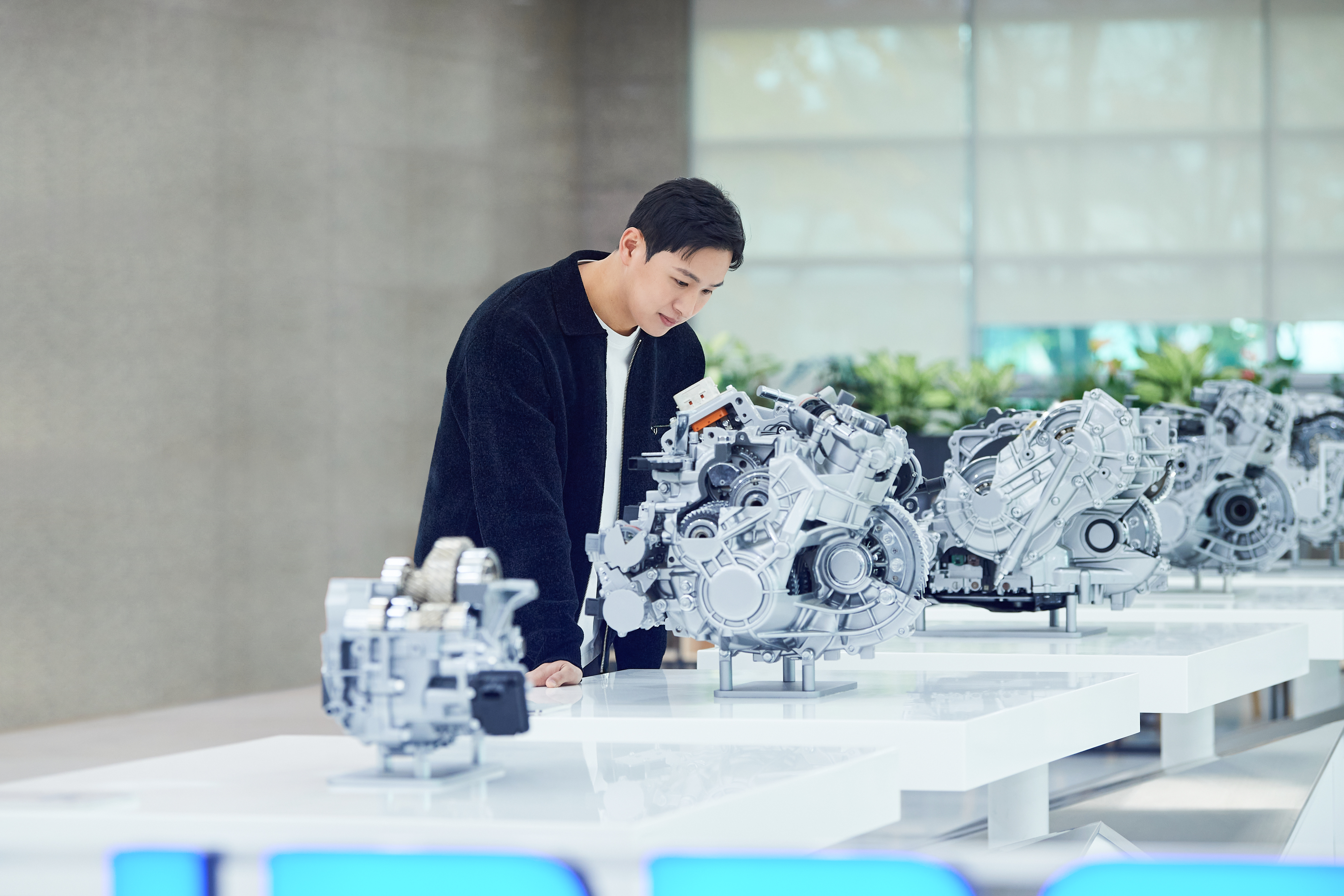
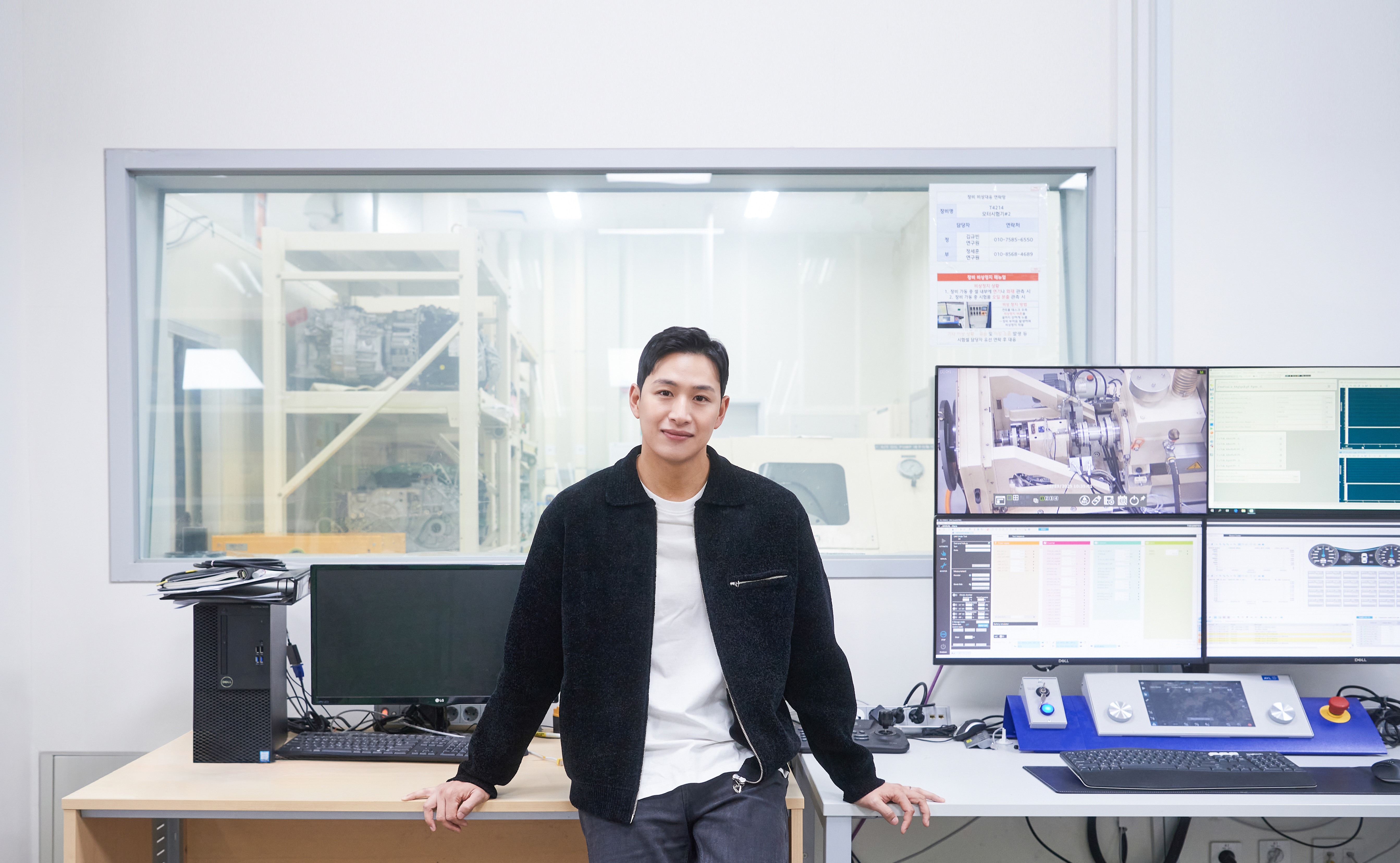
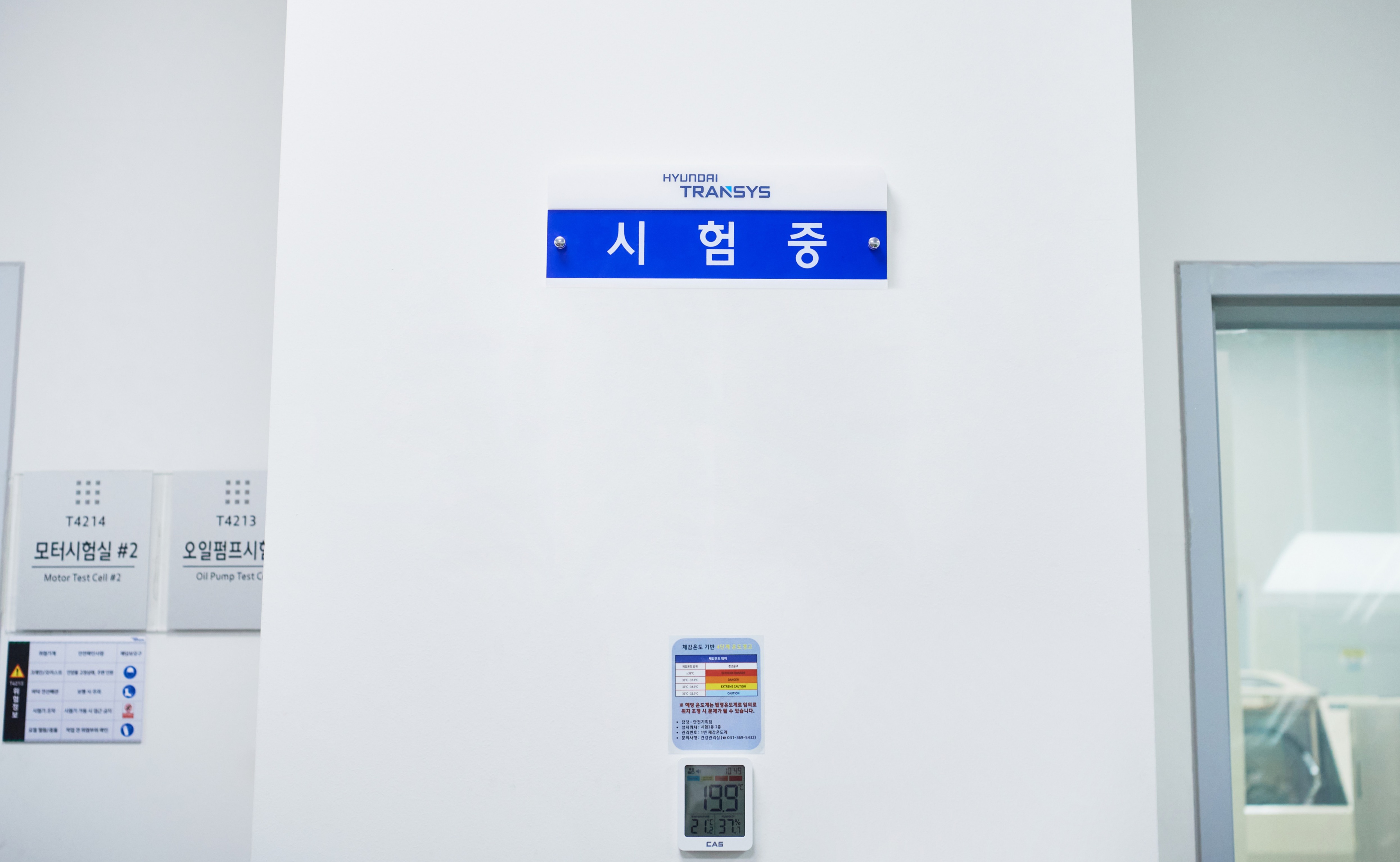
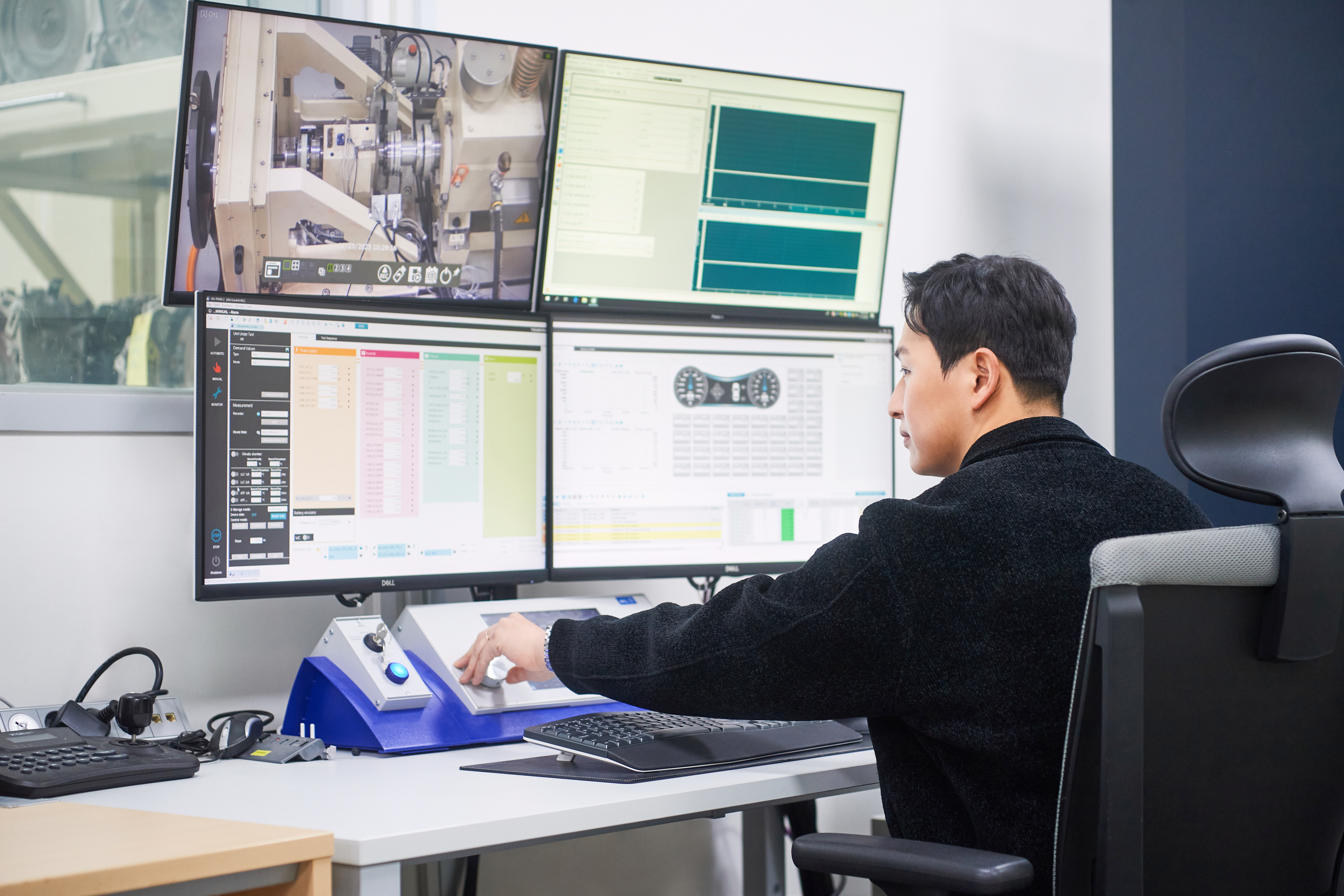
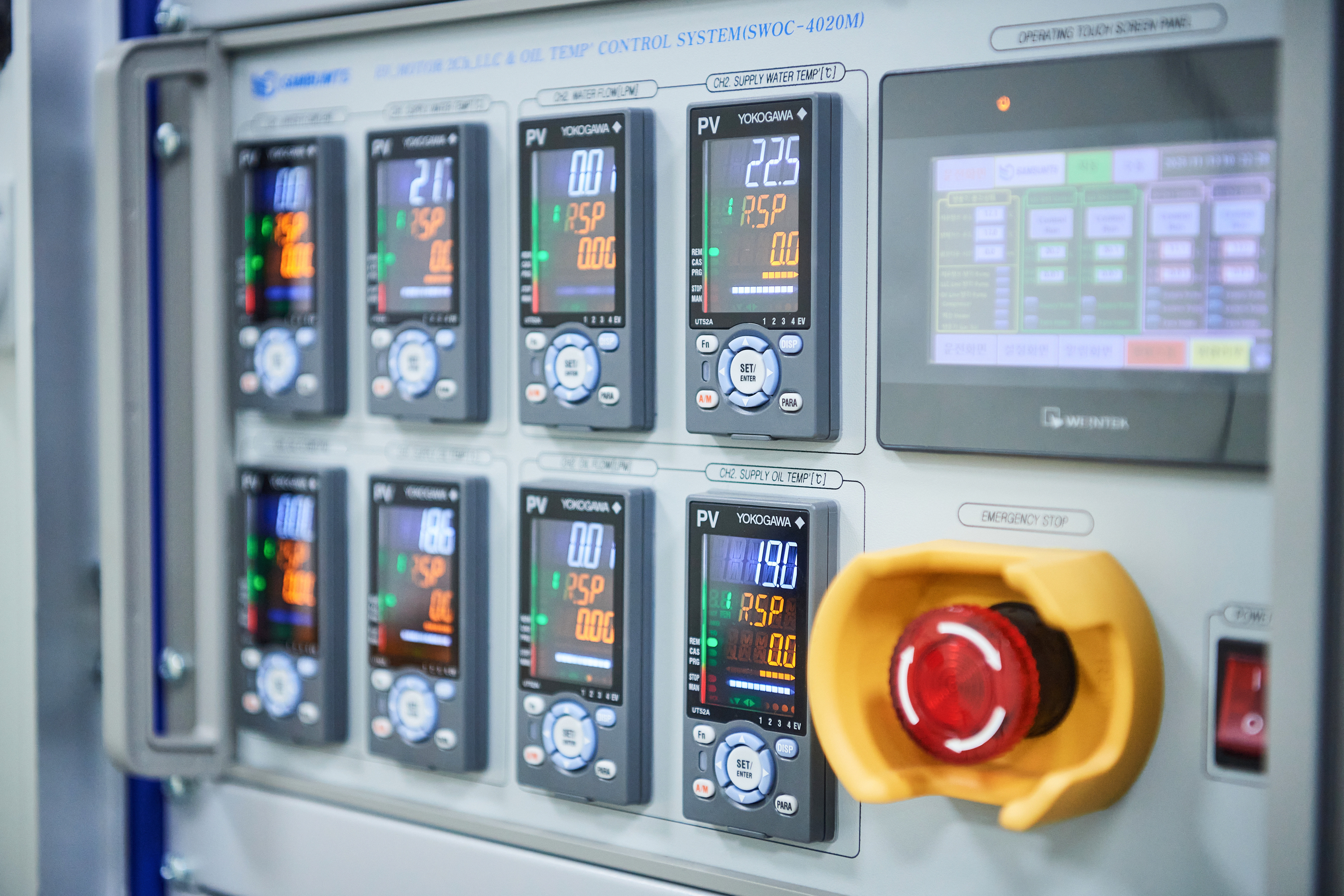
A. The Electrification Reliability Development Team, part of the Electrification Test & Development Division, is responsible for verifying the reliability of electrified drive systems to ensure customers can operate their vehicles with confidence. The team researches and develops verification technologies to assess whether powertrain systems—including those used in hybrid and electric vehicles—can perform stably over extended periods under real-world driving conditions. To accomplish this, the team recreates in laboratory environments the various stress conditions experienced by key electrification components, such as motors, inverters, reducers, and hybrid transmissions during actual driving. Comprehensive evaluations are then conducted to verify durability, environmental resistance, and electrical safety.
Within this scope, I am responsible for the reliability development of motors and inverters. My primary duties include designing test conditions, analyzing accumulated test data, and identifying abnormal signals or potential failure causes. Based on these findings, I work closely with related departments to develop improvement measures, contributing to the overall enhancement of technological performance and system maturity.
Q. What led you to choose a career in automotive reliability development?
A. While majoring in electronic engineering, I participated in various projects and found the experimentation and analysis phases especially engaging—more so than the design stage. I enjoyed exploring possibilities through data analysis and felt a strong sense of accomplishment when my conclusions translated into tangible improvements.
In particular, automobiles are highly complex products in which numerous technologies operate as an integrated system, making reliability development especially rewarding. I chose the field of electrification reliability because it goes beyond simply verifying compliance with established standards. The opportunity to directly contribute to improving the reliability and overall quality of vehicles that customers drive every day became a key source of motivation for me.
Q. Were there any differences between your expectations and the actual job?
A. Before joining Hyundai Transys, I assumed reliability development would mainly involve conducting tests under predefined conditions and reviewing the results. Based on my university background, I viewed it as relatively standardized verification work.
In reality, the role has proven to be far more complex. The job requires interpreting long-term accumulated data from multiple perspectives—including electrical, mechanical, and thermal—while responding to unexpected variables that may arise during testing. When anomalies occur, tracing the root cause thoroughly and methodically becomes essential.
Although there were aspects that differed from my initial expectations, I eventually realized that this multidisciplinary way of working suits my aptitude very well and has become one of the most rewarding aspects of the job.
Q. Is there any experience from your university days that has been especially helpful in your current work?
A. Looking back, the most valuable preparation was the hands-on experience I gained during my studies. While the theoretical knowledge from my major courses was certainly useful, applying those concepts in practice proved far more impactful. Laboratory classes and project-based learning—where I built circuits, collected data using measurement equipment, implemented control algorithms, and verified performance—strongly mirror the workflow of my current role.
In particular, the embedded systems course and my capstone project were especially meaningful, as they helped me gain a deep understanding of how hardware and software interact and operate together. Additionally, participating in lab projects and engineering competitions, where I worked directly with real data and problem-solving processes, provided a solid foundation for the work I do today.
Q. Over your first five years, what was the most challenging moment, and when did you feel the greatest sense of accomplishment?
A. One of the most challenging experiences occurred when I was responsible for the motor reliability development of a next-generation hybrid vehicle. Over several months, we carried out extensive testing and repeated improvement cycles to ensure durability and stability. Identifying root causes within an immense volume of data proved extremely difficult, and at times progress felt uncertain due to the lack of clear clues.
To address these challenges, I worked closely with senior researchers to verify hypotheses and collaborated with related departments to analyze data from multiple perspectives. We also introduced AI-based analysis techniques to narrow down potential causes, which ultimately enabled us to establish a clear improvement direction and conduct high-spec verification more effectively and systematically.
I still vividly recall the moment when we finally completed all required testing successfully. Later, seeing mass-produced vehicles equipped with the next-generation HEV drive system on actual roads was deeply moving. Knowing that the stability achieved through our repeated testing and analysis directly translated into vehicles driven safely by customers was incredibly rewarding. That experience helped me look back at the meaning of my work and reminded me why I chose this career path
Q. What capacities and qualities are needed for an powertrain test engineer?
A. I believe the most important capability for this role is strong logical analysis. Reliability development is fundamentally a process of structuring complex data flows and systematically narrowing down potential causes step by step. Careful observation and sustained focus are equally important. Many tests continue for hundreds of hours, during which even the smallest variations can eventually result in failure. The ability to remain attentive to data and detect subtle changes greatly influences the accuracy and effectiveness of the work.
Finally, an open and collaborative mindset is essential. Reliability challenges require cross-disciplinary expertise, including electrical, mechanical, control, and thermal engineering. Sharing perspectives and working closely with related departments is therefore indispensable. Individuals who are curious and willing to broaden their understanding across various fields are particularly well suited to this role.
Q. How would you describe the working atmosphere within the Electrification Reliability Development Team?
A. Overall, our team fosters a strong culture of collaborative problem solving. When unexpected issues arise during testing or when key decisions must be made, team members naturally come together to share data and discuss solutions. Our priority is to identify the most rational and effective approach, which creates an environment where opinions are exchanged freely, regardless of position or seniority.
Another major strength is the opportunity to learn directly from the experience of senior researchers. They regularly share expertise through technical seminars and informal discussions of real-world cases during daily work. This close mentorship provides valuable guidance and builds confidence, even when tackling new and unfamiliar challenges.
Q. What advantages have you noticed about working at the Hwaseong Drivetrain R&D Center?
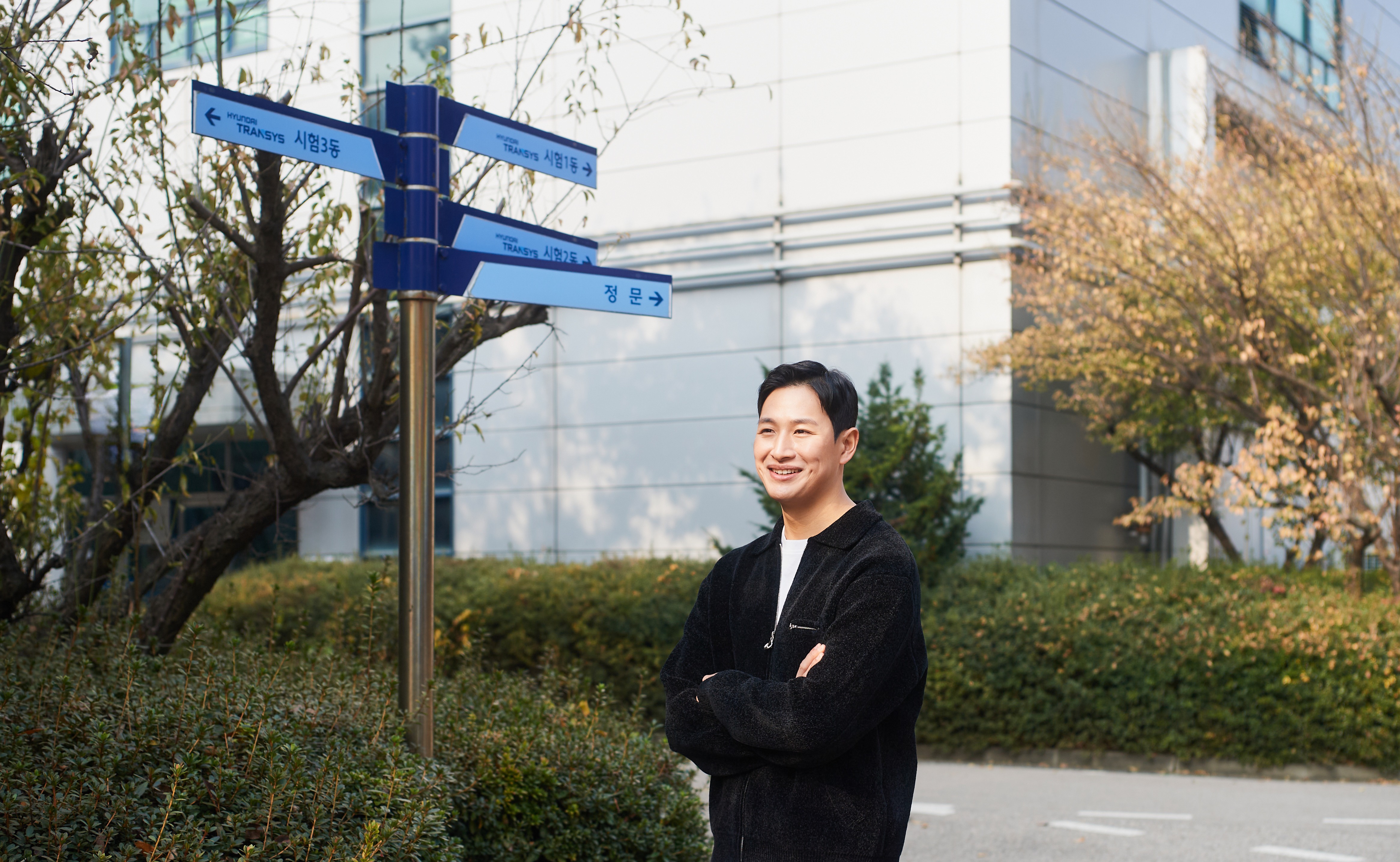
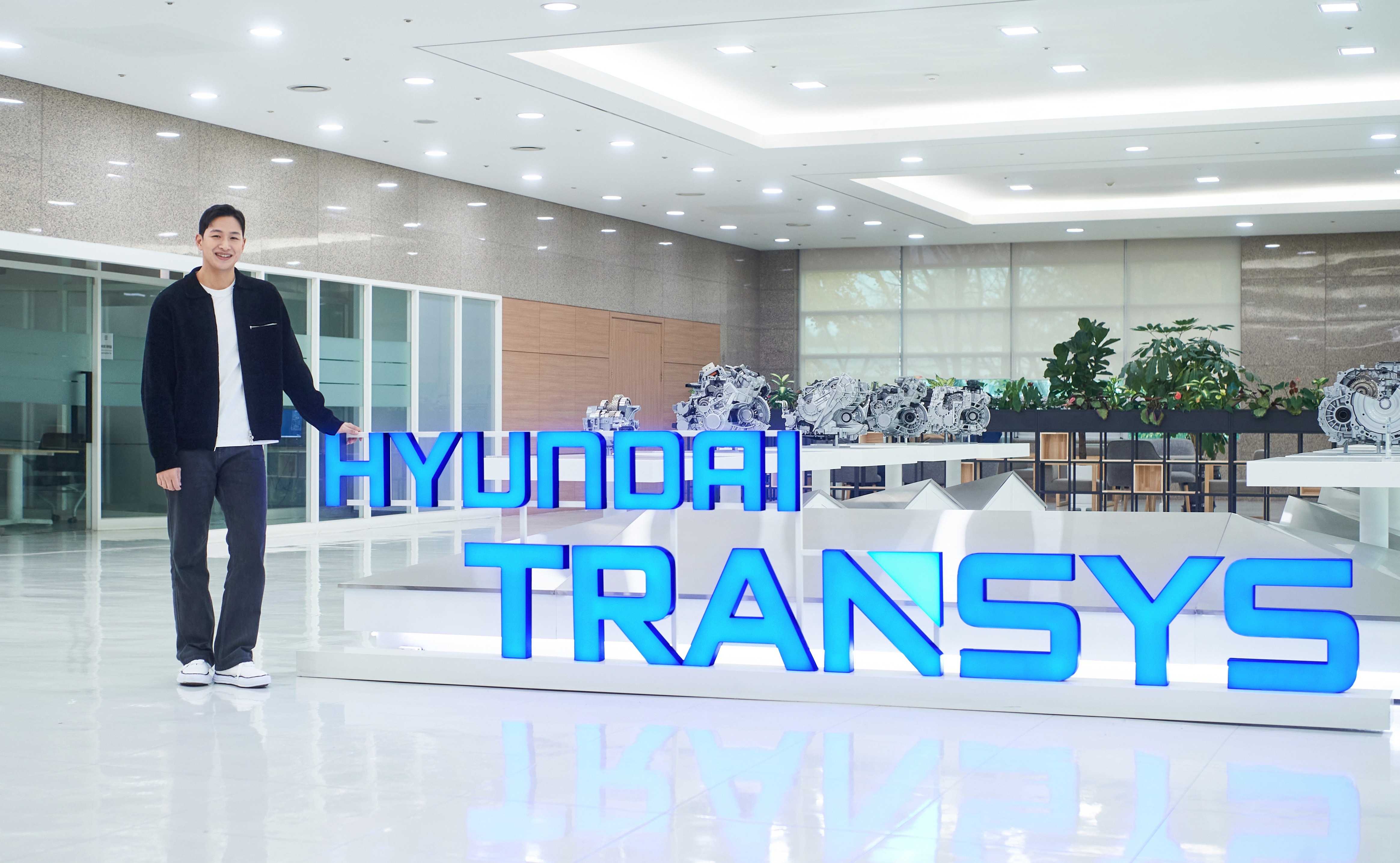
A. As the pace of electrification development has accelerated in recent years, the state-of-the-art testing facilities and infrastructure at the Hwaseong Drivetrain R&D Center have become a significant advantage in our work. The center enables us to replicate a wide range of real-world conditions—including temperature and load variations—within controlled laboratory environments, providing excellent conditions for conducting comprehensive reliability evaluations. In addition, since the organization is structured around powertrain research functions, technical discussions and the sharing of issues that arise during testing occur naturally and efficiently. There is a well-established culture that encourages open, multi-perspective exchanges and close collaboration. This environment enables us to remain highly focused on our work and fosters the continuous development of technical expertise.
Q. Lastly, what do your work and workplace mean to you?
A. To me, work means “achieving something together.” In reliability development especially, I have come to firmly believe that success cannot be achieved individually. Whether conducting a single test or resolving a minor issue, effective communication and collaboration across multiple departments—including design, analysis, and control—are essential.
As I gain more experience, I look forward to taking on broader responsibilities, including leading and overseeing new projects. With greater responsibility comes an even stronger commitment to continuous personal growth. While there is still much to learn, I hope to contribute to building more effective collaboration frameworks that enable the team to work even more seamlessly. Going forward, I will continue to give my best as an engineer and work alongside my colleagues to advance Hyundai Transys’s technological innovation.
'Global' 카테고리의 다른 글
| Seat Design That Shapes the Mobility Experience (0) | 2025.12.29 |
|---|---|
| The Core of Hybrid Technology (0) | 2025.12.04 |
| Designing the Spaces and Experiences of Future Mobility Through Technology (0) | 2025.11.04 |
| Ensuring Customer Satisfaction Through Quality Assurance (0) | 2025.10.31 |
| The Art of Turning Design Blueprints into Products (0) | 2025.10.31 |


