


- Kim Jae Eun, Designer, Automotive Seat Design Team

Q. What are the key responsibilities of the Automotive Seat Design Team?
The Automotive Seat Design Team is responsible for the entire seat development process, from initial planning to final completion. We carry out both advanced design and mass-production design in an integrated manner, adapting our approach to each stage of the project. From early ideation to the moment a seat is installed in an actual vehicle, our team connects every step in the journey of how a seat is created.
In the advanced design phase, we propose new directions for seat design based on future mobility trends and user-experience insights. This includes researching structural concepts that prioritize comfort and a sense of stability, while translating Hyundai Transys’ design vision and values into tangible forms. Through this work, we redefine the comfort and spatial experience that passengers will encounter in future mobility environments.
In the mass-production phase, our focus shifts to realizing this design vision in actual vehicles. We work closely with the engineering teams to review practical considerations such as manufacturability and durability, refining details step by step through design data and physical validation. Our ultimate goal is to deliver seats with a level of quality that users can clearly perceive and appreciate.
Overall, the Automotive Seat Design Team oversees the entire process—from transforming ideas into concepts to bringing them to life as finished products—in one continuous flow. We take full responsibility not only for the design direction, but also for the final quality of every seat we create.
Q. What motivated you to choose a career in seat design?
From a young age, I was deeply interested in automobiles that achieve a strong balance between design and functionality. While I initially enjoyed looking at cars as complete objects, my interest gradually shifted toward the atmosphere and comfort of the interior space. In particular, the moment I sat in a seat, I could immediately sense who the car was designed for and the kind of emotion it was meant to convey.
Through these experiences, I came to realize that design is not simply about creating shapes, but about shaping human emotions and experiences. With this perspective, I majored in Transportation Design for Automobiles, which naturally led me to pursue a career in seat design. Seats are the part of a vehicle that users remain in contact with for the longest period of time. That is what makes seat design especially compelling to me—it goes beyond form-making and involves designing the entire experience, encompassing comfort, emotional quality, and functionality.

Q. Before joining Hyundai Transys, how did you imagine the role of a seat designer, and what turned out to be different in practice?
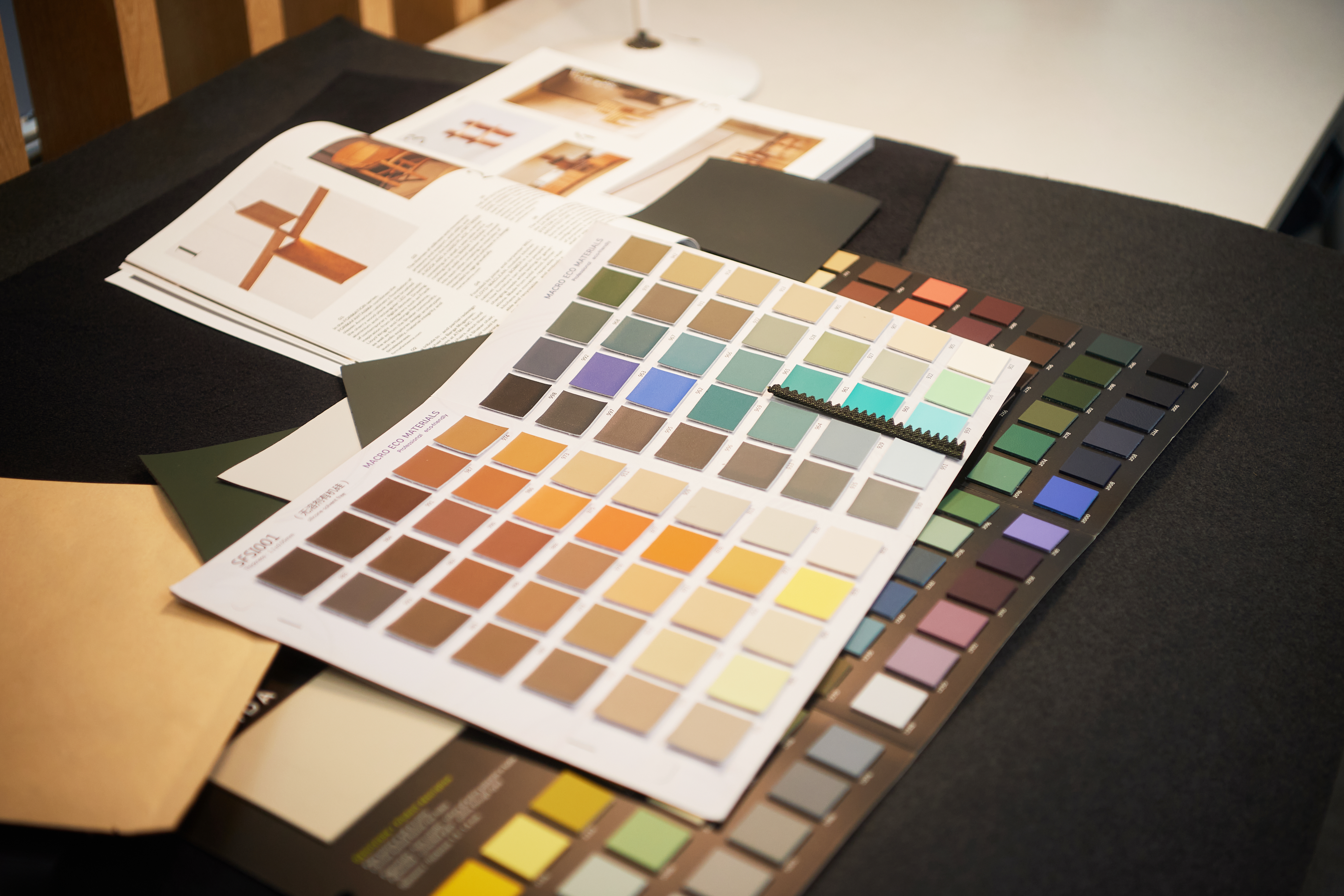
Before joining the company, I believed that seat design was primarily focused on form and emotional expression. However, once I began working in the role, I realized that seat design is actually about finely tuning the user experience at the intersection of design and engineering.
A seat is not just an interior component; it is the first point of contact between the user and the vehicle, and the space that supports the body throughout the entire driving experience. Because of this, seat designers need a broad understanding that goes beyond aesthetics, encompassing ergonomics, structure, materials, and safety. While visual appeal is important, I discovered that the real challenge lies in considering how seating comfort and emotional qualities are perceived by users—and then translating those ideas into reality within practical constraints. This process turned out to be far deeper and more complex than I had initially expected.
Although the responsibility is great, my biggest reward comes from the moment users feel genuine comfort and satisfaction in a completed seat. That feeling is what continues to motivate me in this work.
Q. What is the difference between mass-production design and advanced (concept) design?
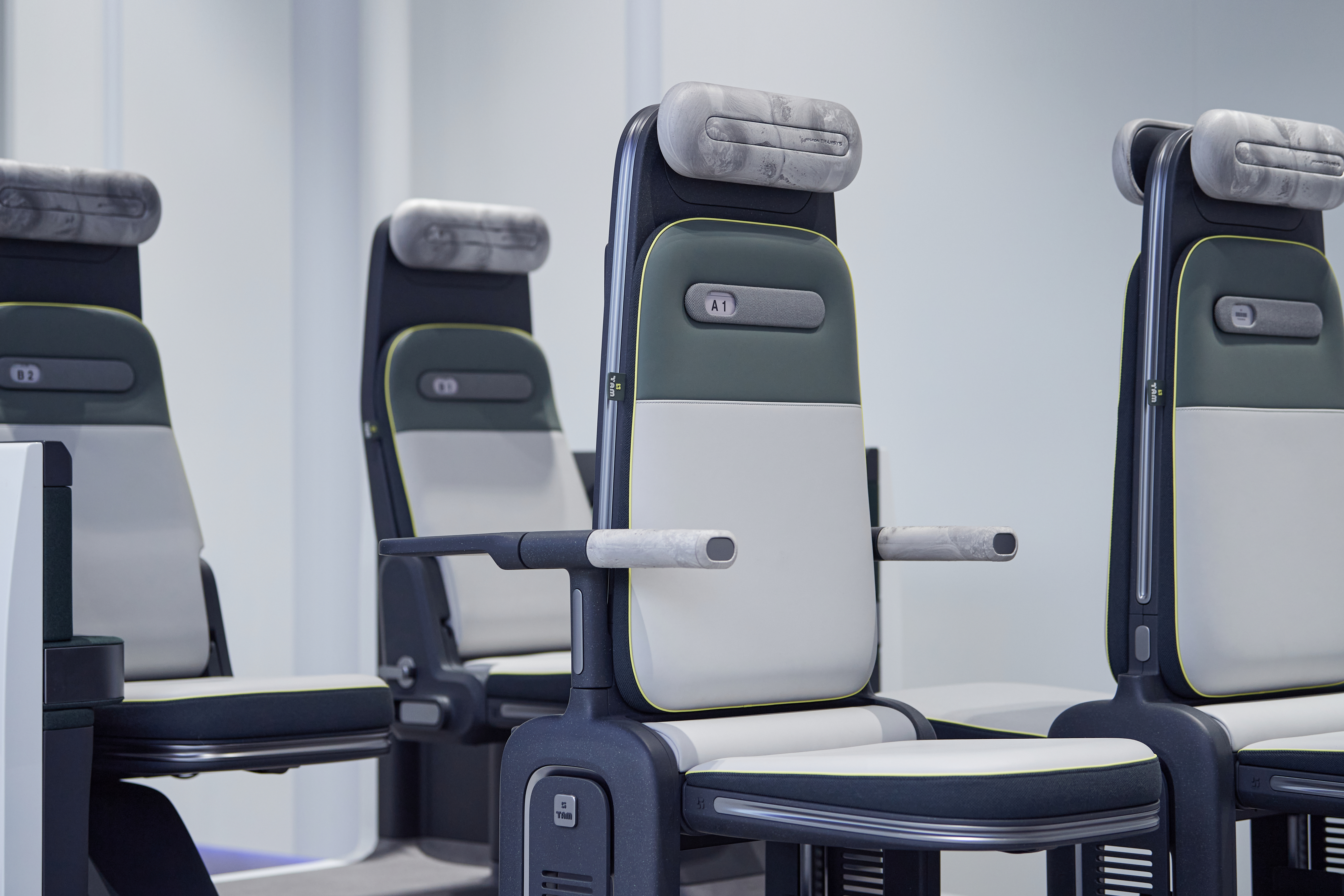
Mass-production design focuses on developing seats that will be installed in actual production vehicles. Simply put, when the basic seat framework is already defined, the designer’s role is to tailor a custom outfit that fits the existing structure and functions. Designers work closely with engineers to fine-tune the design while considering overall form balance, seating comfort, and material selection. The key is not merely making the seat look good, but carefully refining every detail to ensure it can be manufactured reliably and remain comfortable and safe over long-term use.
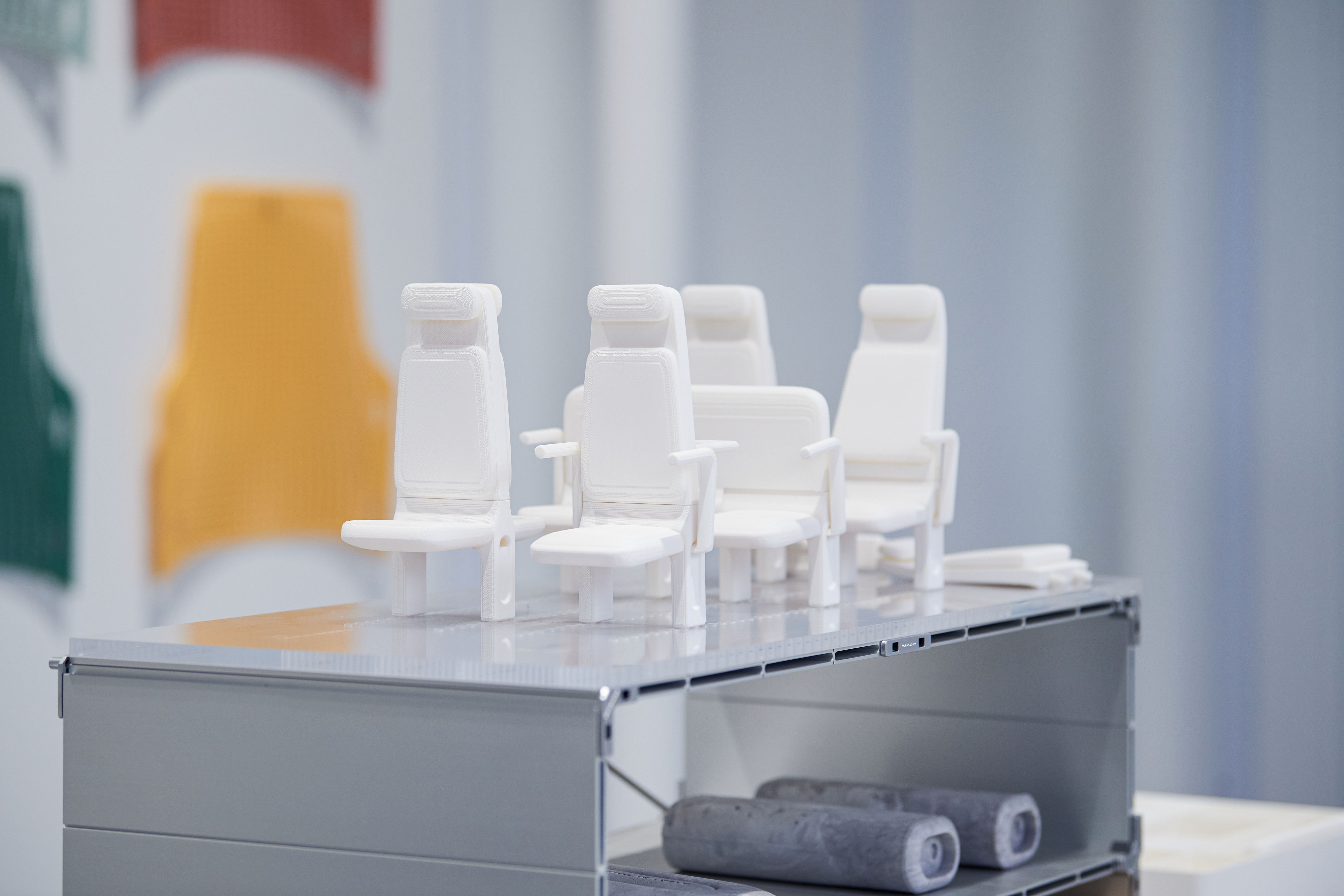
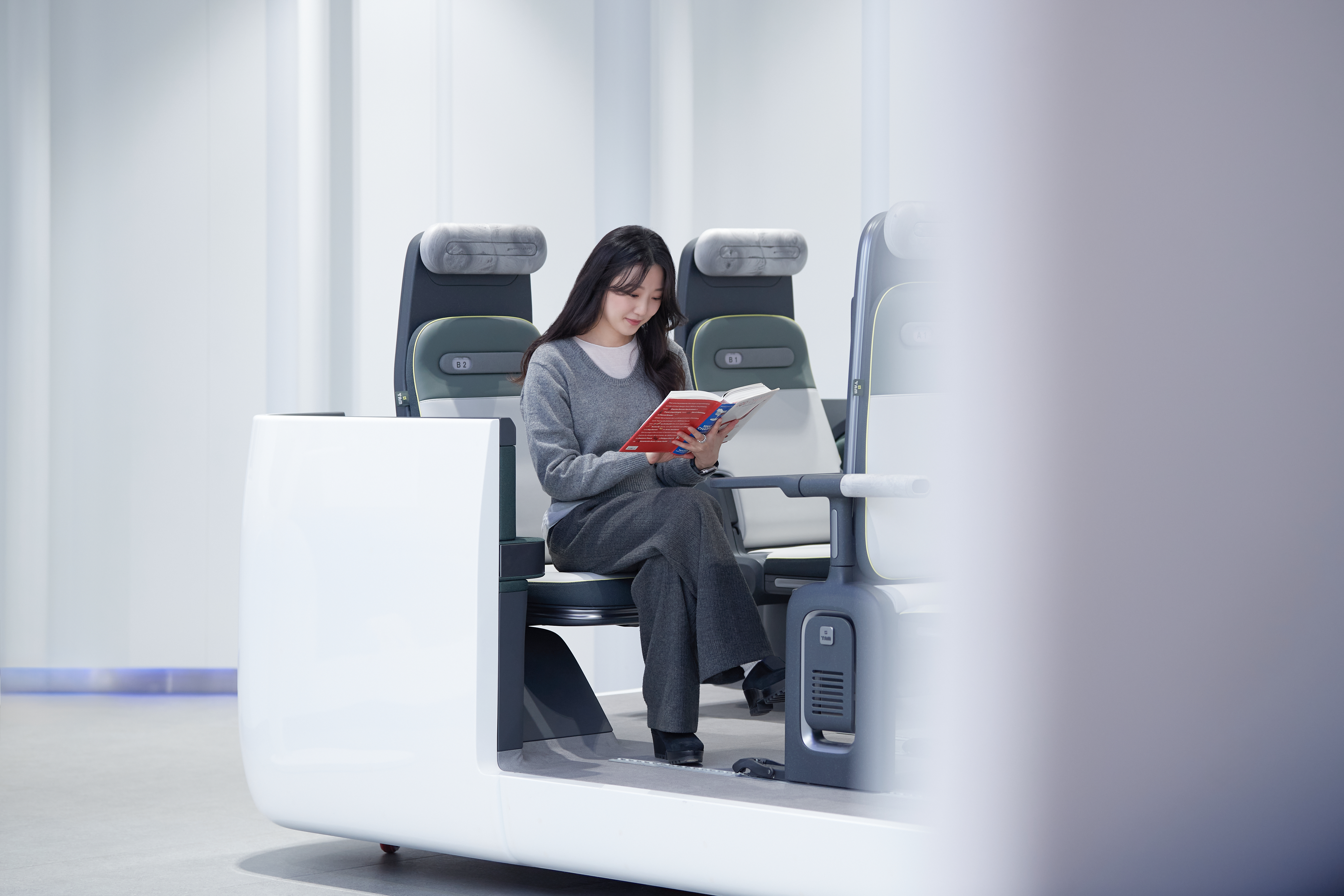
Advanced (concept) design, on the other hand, is about envisioning the future one step ahead. It involves researching and analyzing how automobiles and other forms of mobility may evolve, and proactively proposing how the role of seats might change in response. As a result, advanced design is not limited to passenger cars alone. It extends into adjacent mobility and cross-industry fields such as UAM, high-speed rail, and armored vehicles, where designers explore new seat forms and user experiences based on core seating structures. In parallel, our team conducts early-stage technical validation to ensure that these ideas have the potential to transition into mass production.
If mass-production design is about perfecting the seats of today, advanced design is about defining the direction of seats for tomorrow. Rather than being separate disciplines, I see them as a single continuous journey—one that connects present realities with future possibilities while expanding the potential of seat design.
Q. What do you consider to be the most essential role of seat design?
I believe the most essential role of seat design is to seamlessly connect form and function into a single, cohesive design that delivers the highest level of comfort to users inside a vehicle. Since a seat directly supports the occupant’s body, its role extends far beyond surface aesthetics. What truly matters is the comfort felt the moment one sits down, supported by a structure that naturally aligns with the body.
Seat designers must develop form through sketches and 3D modeling while simultaneously considering structure and ergonomics. Even subtle details—such as the angle or height of the seating surface—can significantly influence how a user feels. As a result, there are many situations in which functional logic must take priority over visual beauty.
In this sense, seat design is a discipline that requires both a refined sense of form and a deep understanding of technology. Ultimately, the essence of seat design lies in translating the comfort and stability experienced when sitting into a clear and intuitive design language—in other words, giving tangible form to emotional comfort through technical design.

Q. What are the three core competencies you believe are most essential for performing your role effectively?
I believe there are three core competencies essential for performing effectively as a seat designer. They are ▲ integrative thinking that bridges design and engineering, ▲ strong design sensibility and visualization skills, and ▲ collaboration and communication abilities.
Seats are complex products in which multiple technical elements—such as structure, mechanisms, materials, and manufacturing processes—are tightly interconnected. Without a solid understanding of these elements, it becomes difficult to fully realize the original design intent during mass production. For this reason, integrative thinking is critical. From the earliest stages of design, seat designers must work closely with engineers to align development directions and strike the right balance between design sensibility and technical feasibility.
The second core competency is refined design sensibility, supported by visualization skills that enable designers to communicate ideas clearly. Smooth development is only possible when concepts are translated into concrete forms through 2D sketches, 3D modeling, and rendering, and when design intent is conveyed in a visually compelling and persuasive manner.
Finally, collaboration and communication skills are indispensable. Seat design requires close cooperation not only with fellow designers, but also with teams in engineering, quality, and production technology. The ability to understand diverse perspectives and constraints—and to coordinate ideas toward realistic solutions—plays a decisive role in enhancing the overall quality of a project.
Q. When have you felt the proudest as a designer?
One of the most rewarding moments for me was seeing a seat I worked on reach mass production and become part of an actual vehicle. Watching the lines and volumes I had refined through countless iterations—from 2D sketches to 3D modeling—take physical form as a finished product, after passing through multiple stages of development, gave me a profound sense of achievement.
Another memorable experience was when a project I was responsible for received international design awards, including the Red Dot Award. Being recognized on a global stage for Hyundai Transys’ design capabilities made me truly appreciate the power of collective effort and boosted my pride as a designer.
These experiences reminded me that great design is not created by individual talent alone, but through collaboration and synergy across multiple disciplines. At the same time, the entire process became a meaningful opportunity for me to grow to the next level as a designer.
Q. On the other hand, when was the most challenging moment or experience for you?
One of the most challenging experiences for me was translating design intent into reality while meeting strict engineering requirements. Since seat design must simultaneously satisfy a wide range of technical conditions—such as manufacturability and safety—it is often difficult to implement an initial design exactly as originally envisioned.
Rather than viewing these constraints simply as limitations, I came to see them as an opportunity to find the intersection between technology and design. Through close collaboration and ongoing communication with engineers, I worked to deepen my understanding of structural characteristics and explore ways to preserve the core elements of the design while enhancing feasibility for mass production. This experience reinforced my belief that design is not merely about shaping form, but about creating outcomes through collaboration and the convergence of expertise across multiple disciplines.

Q. What is the team culture like within the Automotive Seat Design Team?
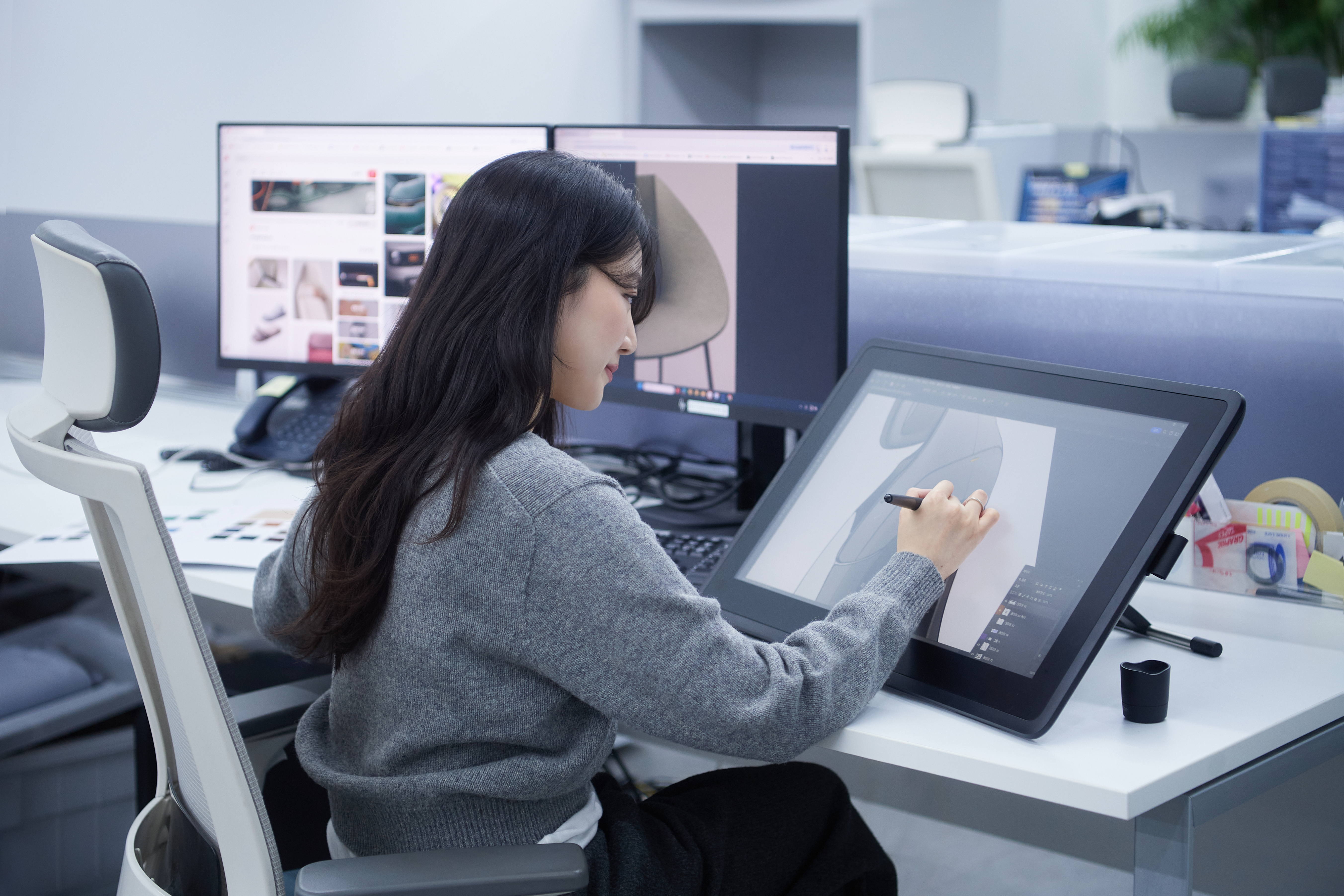
The Automotive Seat Design Team fosters an environment where team members freely share diverse ideas while remaining aligned around a common goal.
Although perspectives may differ throughout the design process, there is a strong culture of openness and mutual respect, with everyone working together to find better solutions. As a result, meetings and design reviews are spaces where team members feel comfortable expressing their opinions and building upon one another’s ideas to create new possibilities.
Trust and respect are deeply embedded in how we work, enabling each individual to leverage their strengths while supporting others where needed. Through this collaborative teamwork, we continue to learn, grow, and create better designs together.
Q. What do you find most satisfying about working at Hyundai Transys?
Hyundai Transys has a well-established collaborative system that brings together experts from diverse fields. Within this tightly integrated structure between design and engineering, ideas are carried through all the way to mass production, allowing for quick feedback and efficient communication.
As a designer, it is especially rewarding to move beyond simply proposing forms and instead realize designs in which technology and emotion are thoughtfully balanced. Being able to see design concepts translated into real products through close collaboration makes working at Hyundai Transys deeply satisfying.
Q. Compared to your university days, in what ways do you feel you’ve grown the most through your work?
As a student, my focus was largely on form and achieving aesthetic completeness in design. In professional practice, however, I have gained firsthand experience with the many real-world conditions that must be addressed when a design is translated into an actual product.
I have learned how to preserve design intent while simultaneously considering factors such as manufacturability, cost, quality, and materials. Through this process, my problem-solving skills and communication abilities have grown significantly, particularly through collaboration with engineers and other teams.
The biggest area of growth for me has been moving beyond simply creating “beautiful designs” to developing the practical sensibility required to deliver usability and emotional value—experiences that customers can genuinely feel—within real product constraints.
Q. For those interested in the field, are there any activities, studies, or portfolio preparation tips that you found especially helpful?
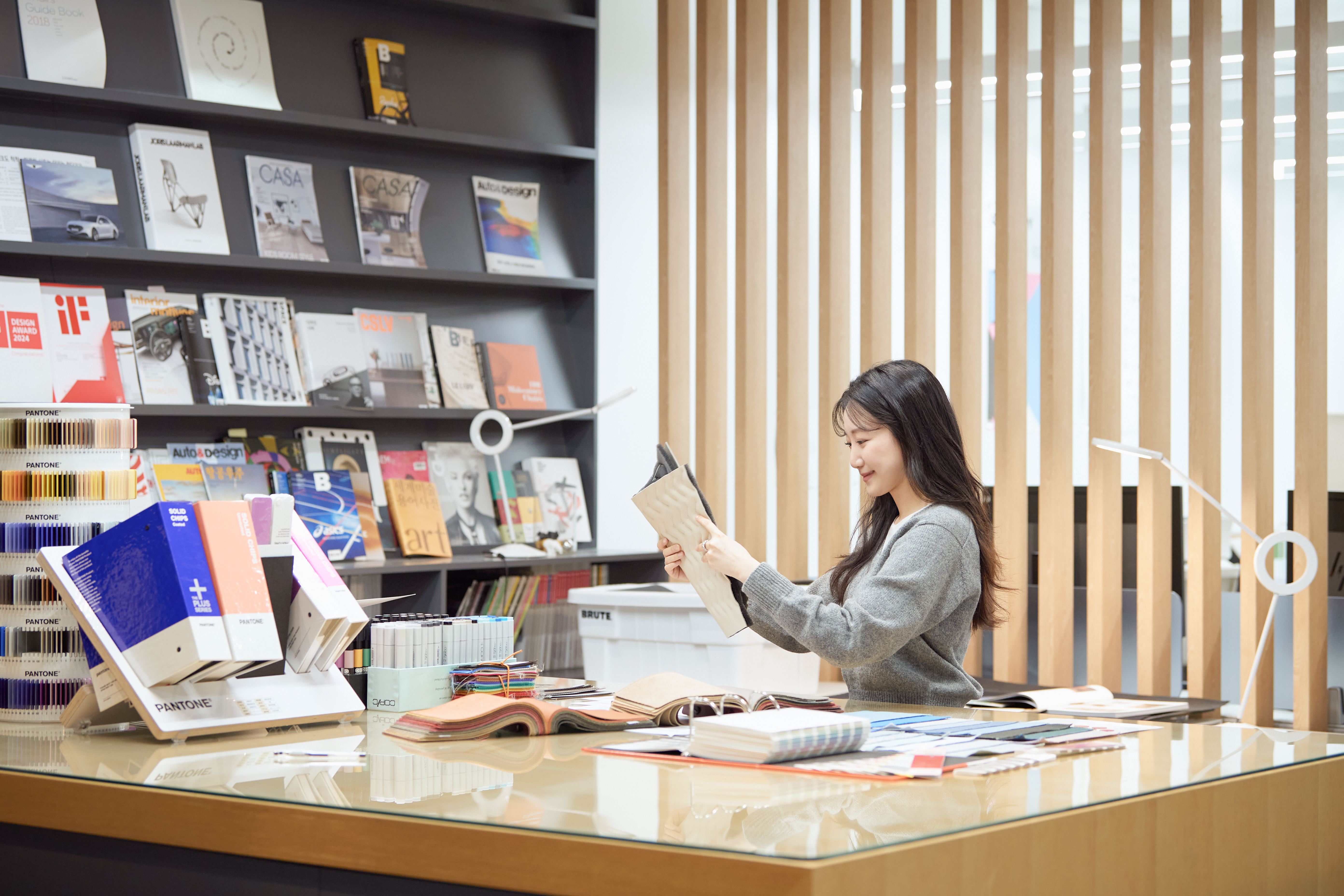
Personally, I place great value on the idea that “experience itself is an asset.” I believe it is important to observe widely and immerse yourself in sources of inspiration beyond automobiles alone. Anything that stimulates your senses and curiosity can become valuable design input. Equally important is developing the habit of recording the emotions and ideas those experiences spark and expressing them visually through sketches, diagrams, or concepts. Over time, this practice builds both design sensitivity and expressive capability.
Ultimately, discovering your own point of view through a wide range of experiences—and cultivating the ability to visualize and clearly communicate that perspective—is what makes a portfolio truly compelling and distinctive.
Q. What does your work mean to you?
As the football player Luka Modrić once said, “Success is not achieved in a single match.” In the same way, I see my work not as a series of one-off outcomes, but as the accumulation of growth built through a continuous process.
Seat design is a field with no single correct answer. Technology continues to evolve, and user experience is constantly changing. Because of this, I’ve come to value what I learn and how I grow through each project even more than the final result itself. Sometimes a small adjustment or a single piece of feedback from a colleague can completely change the direction of the next design. Repeating these moments naturally broadens my perspective and deepens my problem-solving abilities.
To me, work is not simply about delivering finished results. It is about discovering better solutions through continuous learning and growth, and applying those learnings to consistently enhance user experience and brand value. Through this ongoing journey, I strive to keep growing—not only as a designer, but as a professional.
'Global' 카테고리의 다른 글
| The Core of Hybrid Technology (0) | 2025.12.04 |
|---|---|
| The Ultimate Stage of Powertrain System Development (0) | 2025.12.04 |
| Designing the Spaces and Experiences of Future Mobility Through Technology (0) | 2025.11.04 |
| Ensuring Customer Satisfaction Through Quality Assurance (0) | 2025.10.31 |
| The Art of Turning Design Blueprints into Products (0) | 2025.10.31 |


